Groundwater and coupled water-land systems
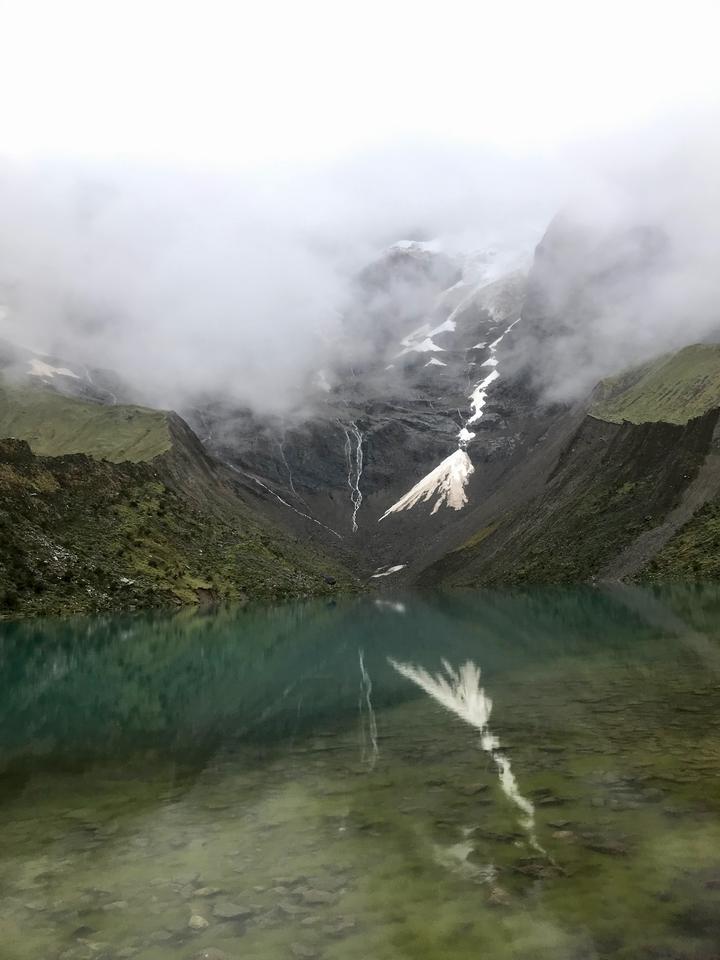 Glacier lake in Cuzco, Peru
Groundwater systems record both climatic forcing and human water use. I combine multidecadal InSAR records with seismic observations, pumping data, and groundwater models to resolve how storage changes through drought, recharge, and extraction.
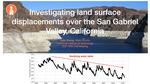
In Greater Los Angeles, nearly three decades of radar observations reveal deformation that sparse monitoring wells do not capture. Work in the Hollywood Basin showed how deformation and production records can constrain sustainable yield and distinguish shallow from deeper aquifer behavior. A NASA-funded project now expands this approach across the region, combining geodetic and seismic measurements to characterize recovery from atmospheric rivers and to test how recharge, hydraulic connectivity, pumping, and irreversible storage loss interact.
My group also studies groundwater-dependent agriculture in the High Plains. Because pumping-related compaction can be small there, we focus on irrigation as a direct surface expression of groundwater redistribution and test whether NISAR closure phase can add spatial detail to existing soil-moisture products.
An emerging project in the Salar de Atacama examines how lithium-brine extraction and climate variability affect freshwater-brine interactions along the salt-flat margin. The goal is to distinguish pumping effects from climatic variability in a system that supports lagoons, wetlands, wildlife, and local communities.
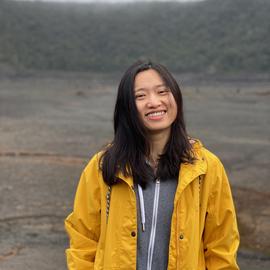
Yujie Zheng
Assistant Professor
I develop satellite radar and geodetic methods to understand how water, the solid Earth, climate variability, and human activity shape the surface and subsurface.